

Urban areas around the world face growing challenges related to pollution, traffic congestion, and rising energy consumption. Green mobility is helping cities overcome these challenges by introducing sustainable transportation solutions that improve both environmental and social outcomes.
Green mobility focuses on reducing dependence on fossil fuels while promoting efficient, low-emission transportation alternatives. From electric vehicles to smart public transit systems, cities are rapidly transforming how people move.
Cleaner Air for Everyone
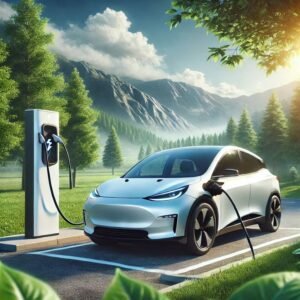
One of the most significant benefits of green mobility is improved air quality. Traditional vehicles release harmful pollutants that contribute to respiratory illnesses and environmental degradation. Electric vehicles and renewable-powered transportation systems help reduce these emissions significantly.
Reduced Traffic Congestion
Smart transportation technologies enable better traffic management and encourage the use of shared mobility services. Car-sharing, bike-sharing, and integrated public transportation systems reduce the number of vehicles on the road.
Economic Benefits
Green mobility creates new opportunities in clean energy, technology, manufacturing, and infrastructure development. It also reduces fuel expenses and vehicle maintenance costs for consumers.
Sustainable Urban Development
Modern cities are investing in charging stations, bicycle networks, pedestrian zones, and smart transportation platforms. These investments support long-term sustainability goals while improving residents’ quality of life.
A Vision for the Future
The future of urban transportation lies in a combination of electric vehicles, renewable energy, autonomous technology, and intelligent mobility systems. As green mobility continues to evolve, cities will become cleaner, safer, and more efficient.
By embracing sustainable transportation today, communities can build a future where economic growth and environmental responsibility go hand in hand.